Pollen Forecasts vs. Reality: How to Test Air for Pollen at Home
Jul 15, 2026 · 1 min read · Lindsey Forstie, FNP
If you’ve ever checked a pollen forecast only to find your symptoms don't match the 'low' levels on your screen, you aren't alone. Most online reports rely on historical trends rather than what is actually floating in your backyard. To get real relief, you need to understand how to test air for pollen where you live and breathe every day.
Why do my allergies feel so much worse than what the local pollen forecast is reporting?
Most local pollen reports are based on historical trends rather than live data, so their accuracy isn't always great. Just like weather patterns, pollen levels change daily based on wind, storms, and sudden shifts that a generalized forecast can't predict. While they follow seasonal trends, these reports often fail to correlate with the actual symptoms you are experiencing in real-time.
Is there a big difference between the pollen count in my specific backyard versus the general city report?
There can be massive differences based on your specific landscaping and local weather. If you live near a golf course, you’ll face heavy grass pollen, whereas a desert area will have more mesquite or palo verde triggers. Because pollen can travel long distances on the wind, a general city report simply can't capture the unique 'micro-climate' of allergens present in your own yard.
Can you explain how to test air for pollen at home to see what I’m actually breathing?
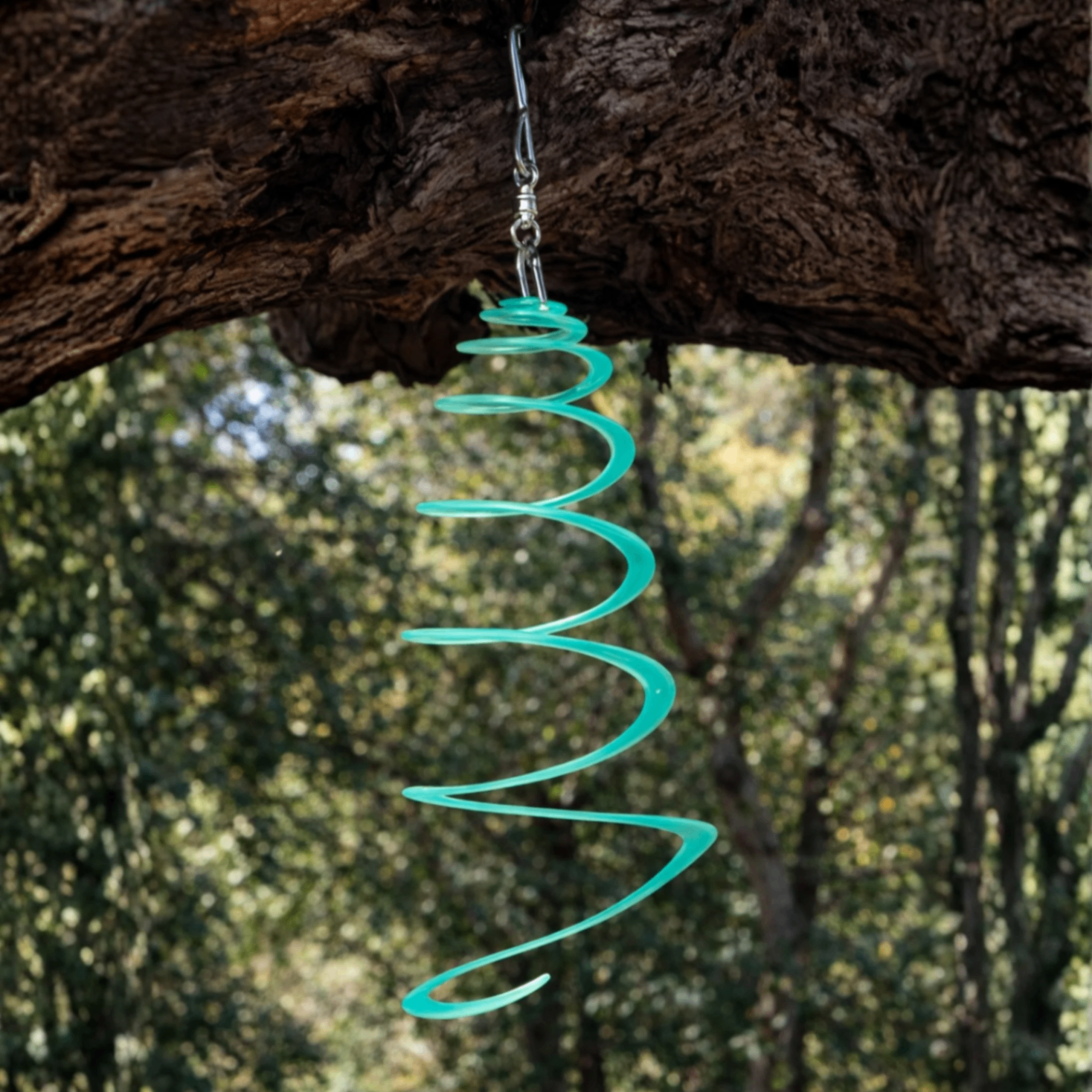
Using a tool like PollyKit makes it easy to test the air exactly where you want by hanging the device from a porch roof or a tree. This device collects a physical sample from your specific area, which is then analyzed in a lab under a microscope. This process allows us to identify the actual particles and allergens that are present in your immediate environment.
Why does it seem like my symptoms flare up even when the weather app says the pollen levels are low?
Weather apps usually provide a forecast based on the last 10 years of data rather than capturing sudden changes caused by fresh rain or storms. They offer a generalized picture of common pollens but often miss the specific, local triggers that are currently floating in your air. They aren't focusing on real-time air samples, which is why your symptoms and the app rarely align.
What are the most common triggers I should be looking for when I test my air quality?
You should look for triggers that cause nasal and lung symptoms, but also pay attention to humidity. Very dry air can be tough on sinuses and nasal passages, preventing your nose from properly filtering air for your lungs, while high humidity can be uncomfortable for asthma patients. Beyond pollen, you're looking for dry air pollution and mold, all of which wear down your system and make you more susceptible to sickness.
How can I tell if my sneezing and itchy eyes are coming from outdoor pollen or mold inside my house?
A great way to tell is to monitor if your symptoms change when you leave the house for work. If your symptoms are year-round and never seem to let up, the trigger is likely inside your home, especially in the bedroom where we spend the most time. The most definitive way to know is to hang a PollyKit both inside and outside; by comparing the two samples, we can see exactly what triggers are floating in your daily environment.
Does knowing my specific local pollen count really change how you treat my asthma or allergies?
Absolutely. Effective immunotherapy is based on matching your allergy test results with the local pollen information in your area. When we identify a very specific trigger through local testing, we can explain why you might be having a flare-up even after your general symptoms have improved. Local data is the key to moving from 'guessing' to effectively treating environmental allergies.
Is it true that those online pollen maps are just based on predictions and not real-time data?
Yes, it is true. These maps are often fed by trends rather than consistent, real-time reporting, which becomes a major problem during weather changes or droughts. Furthermore, they don't always show where the data is coming from; for example, a report from the Phoenix desert is completely inaccurate for someone living in the high-altitude forests of Flagstaff.
When should I stop guessing about my triggers and finally get my home air tested?
There is no reason to guess anymore because testing has become simple and affordable. Once you identify the trigger—whether it's a mold-producing water leak or high dust levels—you can actually fix the problem. Whether it means repairing a leak, adding a humidifier for dry air, or installing HEPA filters, testing is the first step toward cleaning the air you breathe.
If I want to get serious about my allergy care, what is the very first step I should take today?
The first step is to find an allergy provider you trust and schedule an appointment to talk about your symptoms. Look for clinics on the 'Pollen Map' that are actively monitoring their local pollen; this is a sign they take the extra step to understand their patients' environments. If you are in Arizona, our team at Carefree Allergy uses PollyKit data consistently to ensure our treatments are based on your real-world triggers.
Frequently asked
- Why do my allergies feel so much worse than what the local pollen forecast is reporting?
- Most local pollen reports are based on historical trends rather than live data, so their accuracy isn't always great. Just like weather patterns, pollen levels change daily based on wind, storms, and sudden shifts that a generalized forecast can't predict. While they follow seasonal trends, these reports often fail to correlate with the actual symptoms you are experiencing in real-time.
- Is there a big difference between the pollen count in my specific backyard versus the general city report?
- There can be massive differences based on your specific landscaping and local weather. If you live near a golf course, you’ll face heavy grass pollen, whereas a desert area will have more mesquite or palo verde triggers. Because pollen can travel long distances on the wind, a general city report simply can't capture the unique 'micro-climate' of allergens present in your own yard.
- Can you explain how to test air for pollen at home to see what I’m actually breathing?
- Using a tool like PollyKit makes it easy to test the air exactly where you want by hanging the device from a porch roof or a tree. This device collects a physical sample from your specific area, which is then analyzed in a lab under a microscope. This process allows us to identify the actual particles and allergens that are present in your immediate environment.
- Why does it seem like my symptoms flare up even when the weather app says the pollen levels are low?
- Weather apps usually provide a forecast based on the last 10 years of data rather than capturing sudden changes caused by fresh rain or storms. They offer a generalized picture of common pollens but often miss the specific, local triggers that are currently floating in your air. They aren't focusing on real-time air samples, which is why your symptoms and the app rarely align.
- What are the most common triggers I should be looking for when I test my air quality?
- You should look for triggers that cause nasal and lung symptoms, but also pay attention to humidity. Very dry air can be tough on sinuses and nasal passages, preventing your nose from properly filtering air for your lungs, while high humidity can be uncomfortable for asthma patients. Beyond pollen, you're looking for dry air pollution and mold, all of which wear down your system and make you more susceptible to sickness.
- How can I tell if my sneezing and itchy eyes are coming from outdoor pollen or mold inside my house?
- A great way to tell is to monitor if your symptoms change when you leave the house for work. If your symptoms are year-round and never seem to let up, the trigger is likely inside your home, especially in the bedroom where we spend the most time. The most definitive way to know is to hang a PollyKit both inside and outside; by comparing the two samples, we can see exactly what triggers are floating in your daily environment.
- Does knowing my specific local pollen count really change how you treat my asthma or allergies?
- Absolutely. Effective immunotherapy is based on matching your allergy test results with the local pollen information in your area. When we identify a very specific trigger through local testing, we can explain why you might be having a flare-up even after your general symptoms have improved. Local data is the key to moving from 'guessing' to effectively treating environmental allergies.
- Is it true that those online pollen maps are just based on predictions and not real-time data?
- Yes, it is true. These maps are often fed by trends rather than consistent, real-time reporting, which becomes a major problem during weather changes or droughts. Furthermore, they don't always show where the data is coming from; for example, a report from the Phoenix desert is completely inaccurate for someone living in the high-altitude forests of Flagstaff.
- When should I stop guessing about my triggers and finally get my home air tested?
- There is no reason to guess anymore because testing has become simple and affordable. Once you identify the trigger—whether it's a mold-producing water leak or high dust levels—you can actually fix the problem. Whether it means repairing a leak, adding a humidifier for dry air, or installing HEPA filters, testing is the first step toward cleaning the air you breathe.
- If I want to get serious about my allergy care, what is the very first step I should take today?
- The first step is to find an allergy provider you trust and schedule an appointment to talk about your symptoms. Look for clinics on the 'Pollen Map' that are actively monitoring their local pollen; this is a sign they take the extra step to understand their patients' environments. If you are in Arizona, our team at Carefree Allergy uses PollyKit data consistently to ensure our treatments are based on your real-world triggers.