Protect Your Lungs: Surviving Monsoon Season Asthma Triggers
Jul 15, 2026 · 1 min read · Lindsey Forstie, FNP
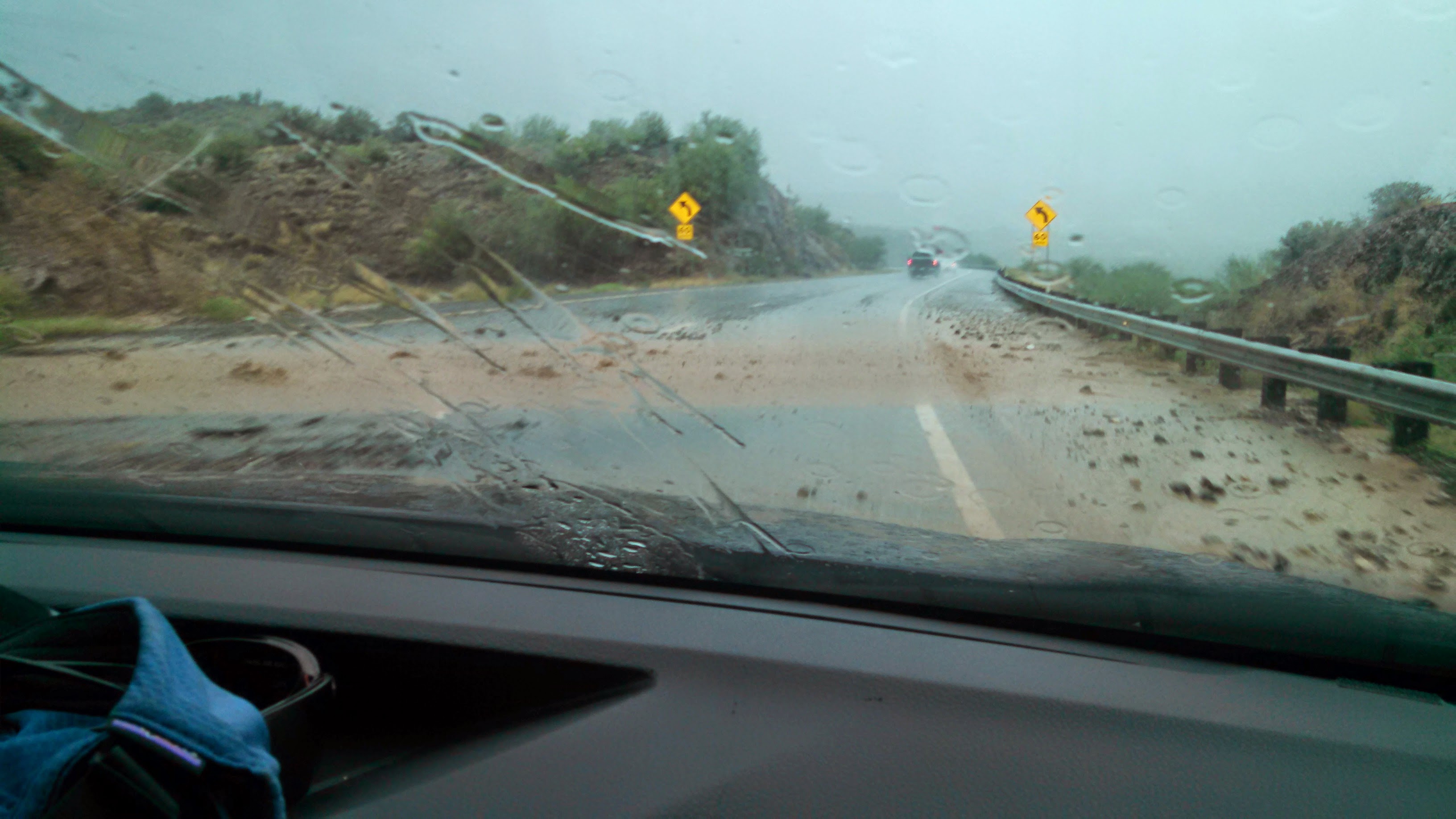
When the Arizona sky turns dark and the winds begin to howl, most people worry about their patio furniture—but for those with respiratory issues, the concern is much deeper. Monsoon season brings a unique cocktail of environmental factors that can lead to sudden, severe breathing difficulties. Understanding how these specific thunderstorm asthma triggers in Arizona affect your lungs is the first step toward staying safe during our state's most volatile weather season.
Why does my asthma always seem to flare up right before a big monsoon storm hits?
Prior to a monsoon storm, there is a lot of wind and a lot of dust. If a haboob is involved, it's just more dust and debris, and all of these tiny little particles are irritants that can trigger asthma, including the allergens already in the air. You essentially have more triggers hitting you all at the same time, which is why you’ll deal with more asthma symptoms right as the storm approaches.
What exactly are thunderstorm asthma triggers in Arizona that I should be worried about?
Thunderstorms naturally bring wind and rain, and that wind creates a lot of airborne particles like pollen, mold spores, dust, and exhaust. Another critical factor is the humidity; when it rains, the rising moisture can cause pollen grains to swell and burst into even smaller particles. These tiny fragments are more likely to penetrate deeper into the lungs, creating extra powerful triggers that significantly increase asthma exacerbations.
Is it the dust or the rain that causes more breathing problems during the summer months?
It is actually both the dust and the rain. While some people with simple allergies say they feel better after a rainstorm because the air clears, those with an asthma component often feel worse due to the extra triggers being stirred up. Typically, the rain will eventually clear the air, but during the summer months, both the initial dust and the following rain can act as significant triggers.
Can the high humidity during a monsoon actually trigger an asthma attack if I stay inside?
You are much less likely to have an asthma attack if you stay indoors and out of the wind. While the humidity levels will still rise inside and could potentially affect your breathing, the risk is lower because you aren't being exposed to the additional outdoor triggers at the same time. Staying inside is a key protective measure.
How does the sudden change in temperature and pressure during a storm affect my lungs?
Significant temperature changes can trigger asthma, but that is mostly seen with cold air, which we don't typically experience during Arizona summers. As far as barometric pressure changes, those are more likely to cause sinus symptoms like headaches and pain rather than affecting the lungs directly. There isn't much evidence currently suggesting that pressure changes themselves trigger asthma symptoms.
Should I be worried about mold growing in my home after a heavy desert rainstorm?
Mold is always a concern if the storm causes water leaks, such as a roof leak during a heavy downpour. While mold needs moisture to grow, spores are actually less likely to go airborne when humidity levels are very high. However, as soon as the air dries out, those mold spores will become airborne if there is still growth happening inside the home.
Why do my allergy symptoms get so much worse after a dust storm even if I didn't go out?
Dust storms make particles airborne that were previously settled on sidewalks or rooftops, such as pollen and mold spores. Even if you stay inside, these particles are now floating in the air again, leading to a period of poor air quality following the storm. This increased concentration of airborne irritants is why you are more likely to be triggered even if you didn't step outside.
Is there a specific way I should be testing my indoor air quality during the monsoon season?
Air quality should be considered any time you are dealing with unexplained symptoms, not just during monsoon season. You can hire professional companies, have an HVAC specialist check your system, or use a mold inspector. The cheapest and easiest method is to order a poly kit, which is a simple process for collecting an air sample inside your home at any time.
At what point should I call my doctor versus just using my rescue inhaler during a storm?
If you are using your rescue inhaler every 20 minutes, it means the medication isn't fixing the problem and your symptoms are worsening. These inhalers are designed for use every four to six hours; if you need it more frequently, call your doctor. However, if the inhaler isn't helping at all, call 911 or go to the emergency room immediately, as your doctor may not have the time or resources to treat a severe, life-threatening attack.
What are the most important steps I can take to prepare my home and my health before the next storm?
To prepare your home, address any roof leaks immediately since heavy Arizona rains will exploit them. You should also maintain your HVAC system, consider using an air purifier to keep indoor air clean, and be diligent about closing all doors and windows before the wind starts to pick up.
Frequently asked
- What is thunderstorm asthma?
- Thunderstorm asthma occurs when wind and humidity cause pollen grains to burst into tiny fragments. These smaller particles travel deeper into the lungs than normal pollen, causing severe respiratory distress.
- How do I protect my lungs during an Arizona haboob?
- The best protection is to stay indoors with all windows and doors tightly sealed. Using a high-quality air purifier and ensuring your HVAC filters are clean can help remove dust and irritants that seep inside.
- Can humidity cause asthma attacks indoors?
- Yes, high humidity can make air feel 'heavy' and harder to breathe, but the risk is significantly lower indoors where you are shielded from wind-blown dust and concentrated allergens.
- When is the air quality worst during a monsoon storm?
- Air quality is typically at its worst just before and during the initial wind gust of a storm (the haboob), as well as immediately after the storm when dried-out particles become airborne again.
- How often can I safely use a rescue inhaler during a flare-up?
- Rescue inhalers are generally intended for use every 4 to 6 hours. If you find yourself needing it every 20 minutes or if it provides no relief, seek emergency medical attention immediately.